
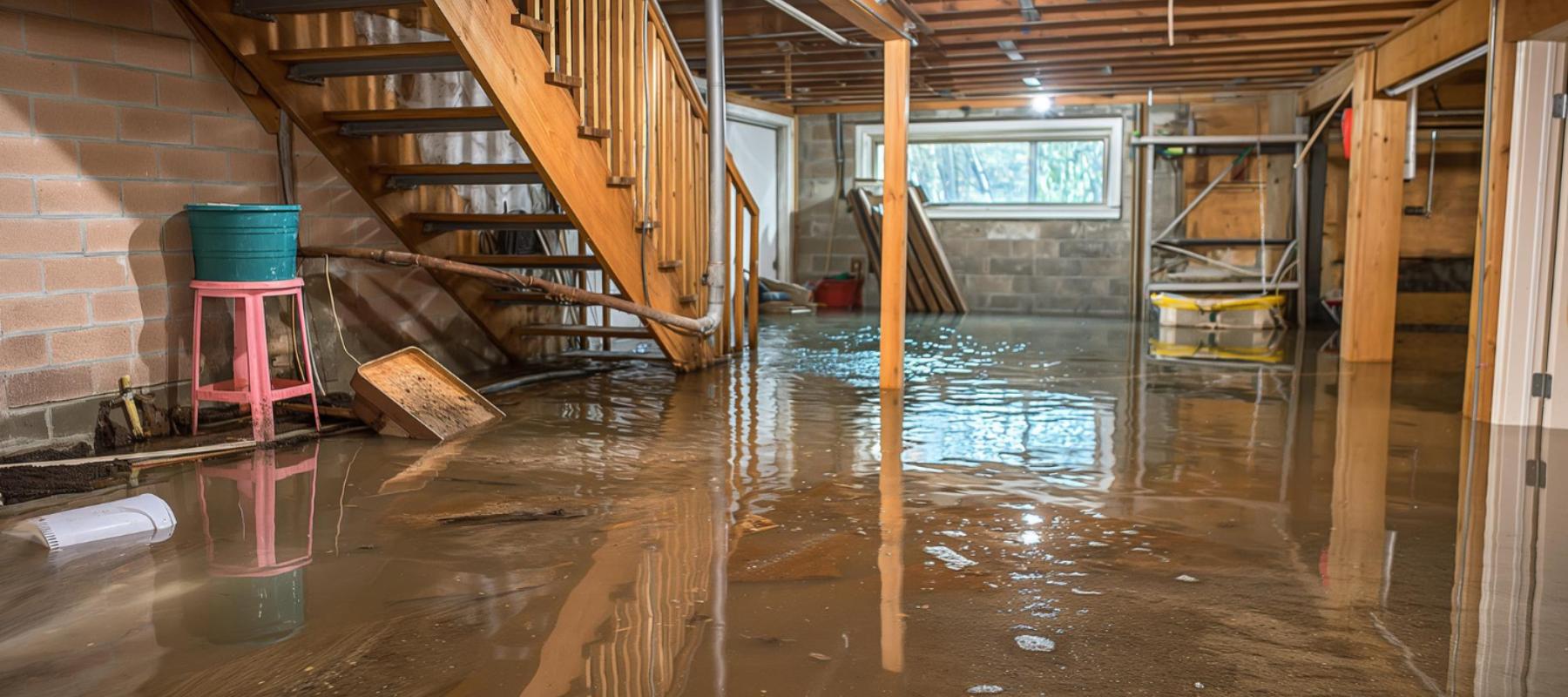
Water Damage Insurance Claims: What’s Covered in BC (And What Isn’t)
Your basement is flooded. Water is everywhere. You’re standing in it, phone in hand, thinking: “At least I paid for insurance.”
But here’s the hard truth. Not all water damage is created equal in the eyes of your insurer.
In British Columbia, making a water damage insurance claim can get complicated fast. Some floods are covered, some aren’t, and the difference often comes down to details most homeowners never think about until it’s too late, or they never even discover.
Let’s break it down.
What Type of Policy Do You Have?
Before anything else, you need to know what kind of coverage you’re working with.
Most BC homeowner policies are “all-risk.” That sounds great. Everything is covered unless the policy says otherwise.
Here’s the catch: Water damage is almost always excluded from all-risk policies. Then the policy lists specific water damage situations that are covered.
So even though you have an all-risk policy, your water damage insurance works more like a checklist. If your situation isn’t on the list, you’re out of luck.
Did the Water Come From Inside or Outside?
This is the question that decides most water damage insurance claims.
The general rule: water from inside your home is more likely to be covered. Think burst pipes, overflowing toilets, leaking appliances, or a failed hot water tank. These are the “sudden and accidental” events insurers expect to pay for.
Water from outside? That’s where things get tricky.
Rainwater entering through a hole in your roof caused by a fallen tree? Probably covered, because the tree damage is the primary event.
A rainstorm that floods your property? Probably not covered. Unless you specifically purchased “overland water” coverage, you’re on your own.
If you’re unsure what your policy includes, call your broker. Explaining insurance coverage is their job.
Was It “Sudden and Accidental”?
These three words appear in almost every water damage insurance policy. And they matter more than you think.
A pipe bursts in the middle of the night and floods your basement? That’s sudden. That’s accidental. That’s covered.
But what if a pipe has been dripping for months? What if that slow leak seeped into your walls, caused mold, and now you’re looking at $50,000 in damage?
That’s not sudden. That’s gradual. And gradual leaks are almost never covered.
The insurer will argue that your loss was only a matter of time. And they’ll be right.
Was It Just a Matter of Time?
Insurance protects you from the unexpected. It’s not a substitute for building maintenance.
If your water damage was caused by any of the following, your claim will likely be denied:
- Wear and tear
- Rust or corrosion
- Faulty workmanship
- Rot or mold from long-term neglect
- Foundation settling or erosion
These are predictable failures. Insurers don’t pay for predictable.
Were You Home When It Happened?
Here’s one most people miss.
Many policies limit or void water damage coverage if your property was vacant or unoccupied for more than 30 days. Why? Because a small leak becomes a big disaster when no one is there to catch it.
Your policy might also require you to shut off the water, drain the pipes, or have someone check on the property regularly while you’re away.
Ignore these conditions and your water damage insurance claim could be denied, even if the damage itself would normally be covered.
What Now?
Water damage claims are some of the most common and most disputed insurance claims in British Columbia. The rules are technical. The stakes are high. And insurers have teams of adjusters working to keep payouts low.
You don’t have to figure this out alone.
At Pythe Navis MDP, we’re the only firm in BC licensed as both a law firm and a public adjusting company. We know exactly how insurers think, and we know how to push back.