
BC’s Wildfire Seasons Keep Getting Worse. Here’s What That Means for Your Property Damage Claim.
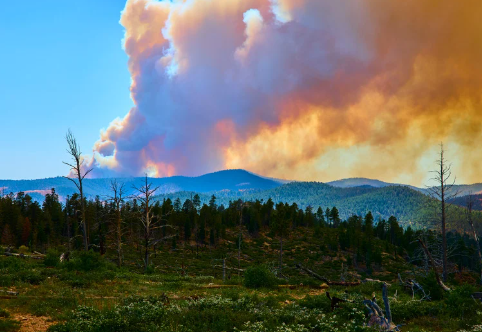
BC’s wildfire seasons have been getting worse for years, and this one is no exception. British Columbia declared a provincial state of emergency on August 8, after the Bald Range wildfire tore through the Summerland area, leaving more than 20,000 people out of their homes across the province. The severity of the situation urges this emergency order to run through August 29.
But there’s more to it than people currently understand. This fire, like the ones before it, is already reshaping the insurance market underneath it.
Worse Seasons, Repriced Risk
Insurance is a bet on risk, and insurers reprice that bet every time a wildfire season runs worse than the one before it. When a region burns two or three consecutive times, insurers don’t treat it as bad luck. Instead, they adjust the number they charge to carry that insurance risk, and in high-risk areas those adjustments have been only moving up.
Homeowners feel that repricing first as a renewal notice. The headlines come later, if they come at all, and the areas that burn most often absorb the biggest increases as they carry the most risk for insurers.
The Nightmare Scenario: When Insurers Stop Offering Coverage at All
Higher premiums are the mild version of what a worsening wildfire season can do to an insurance market. The severe version is an insurer deciding a given area isn’t worth the risk at any price, and simply declining to write new policies there.
Our own Liam Corcoran discussed exactly this on CBC’s The Early Edition and in CBC News’s wildfire coverage post. As Liam noted in the interview, insurers in some high-risk parts of California had already stopped writing new policies before the Palisades fires in the US. He also described the backstop that exists there: the FAIR Plan, a state-created program that requires insurers doing business in California to share that risk, so homeowners can still get coverage even where individual insurers won’t write it directly.
BC hasn’t reached that point (yet). Whether it ever does is an open question, and one worth watching if you own property in a high-risk part of the province.
What Counts as a Smoke Damage Insurance Claim
Flames never have to touch your house for a smoke damage insurance claim to be worth filing. Under a typical all-risks policy, smoke and soot from a nearby wildfire are generally treated under the same fire peril as direct flame damage, though your own policy’s wording and exclusions govern what it pays.
In our experience these claims turn less on whether the damage exists than how far the cleanup has to go. Meaning, an insurer might acknowledge visible soot on a countertop, but refuse to pay for the deeper work a smoke-damage event usually requires, such as decontaminating HVAC systems and replacing insulation, fabric and upholstery that hold odor long after the surfaces look clean.
Professional cleaning or outright replacement is often what is needed, while a simple wipe-down rarely covers the true scope of the repair. But, the common truth is that a home insurance or business insurance claim rises or falls on how well you documented what you owned. So, be prepared: photograph every affected room before cleanup starts. If the smell is bad enough to need a professional assessment, get one before anything goes in the garbage.
What Does a Property Damage Claim Cover After a Wildfire?
A wildfire property damage claim covers more than people think. It can pay to clean or replace smoke-damaged belongings, replace what was destroyed, and cover living costs while you’re displaced. However, be warned that insurers will ask for proof of what you owned first. That’s general industry guidance on how these policies are structured, not a description of any one policy. What your insurance policy says governs everything.
If fire reached your structure directly, our breakdown of what a fire insurance claim pays for covers that ground in detail, check it out.
What to Do Now
Call your insurer now, even if you don’t yet know whether your home was touched. Then, once authorities have cleared your area and you’re allowed back, photograph what’s left and note what’s damaged, room by room.
We at Pythe Navis apply a multi-disciplinary practice: public adjusters and insurance lawyers in the same firm, working the same file, documenting the loss, and stepping in if the insurer stalls or won’t move. If it reaches that point, here’s what escalation looks like based on our multiyear experience in the industry.
Disclaimer: This is general information, not legal advice. If you’re mid-claim and want a straight answer, request a free review and after thorough analysis, we’ll figure this out together.